Cell biology is the study of cells, the basic building blocks of all living organisms. Understanding how cells function is essential for grasping broader biological concepts and health-related topics. This guide breaks down key concepts to help beginners understand what cells are, their structure, and how they operate.
Cells carry out vital processes that sustain life, such as energy production, growth, and reproduction. Exploring these functions reveals how organisms maintain health and respond to their environment. This article will provide clear explanations of these ideas in simple terms.
Whether you’re a student or just curious about biology, learning about cells lays a foundation for deeper scientific knowledge. The focus will be on the most important cellular components and their roles in everyday life.
What Is Cell Biology?
Cell biology studies the structure, function, and behavior of cells, the basic units of life. It explores how cells interact, grow, and respond to their environment. Insights from this field have shaped medicine, genetics, and biotechnology.
Definition and Scope
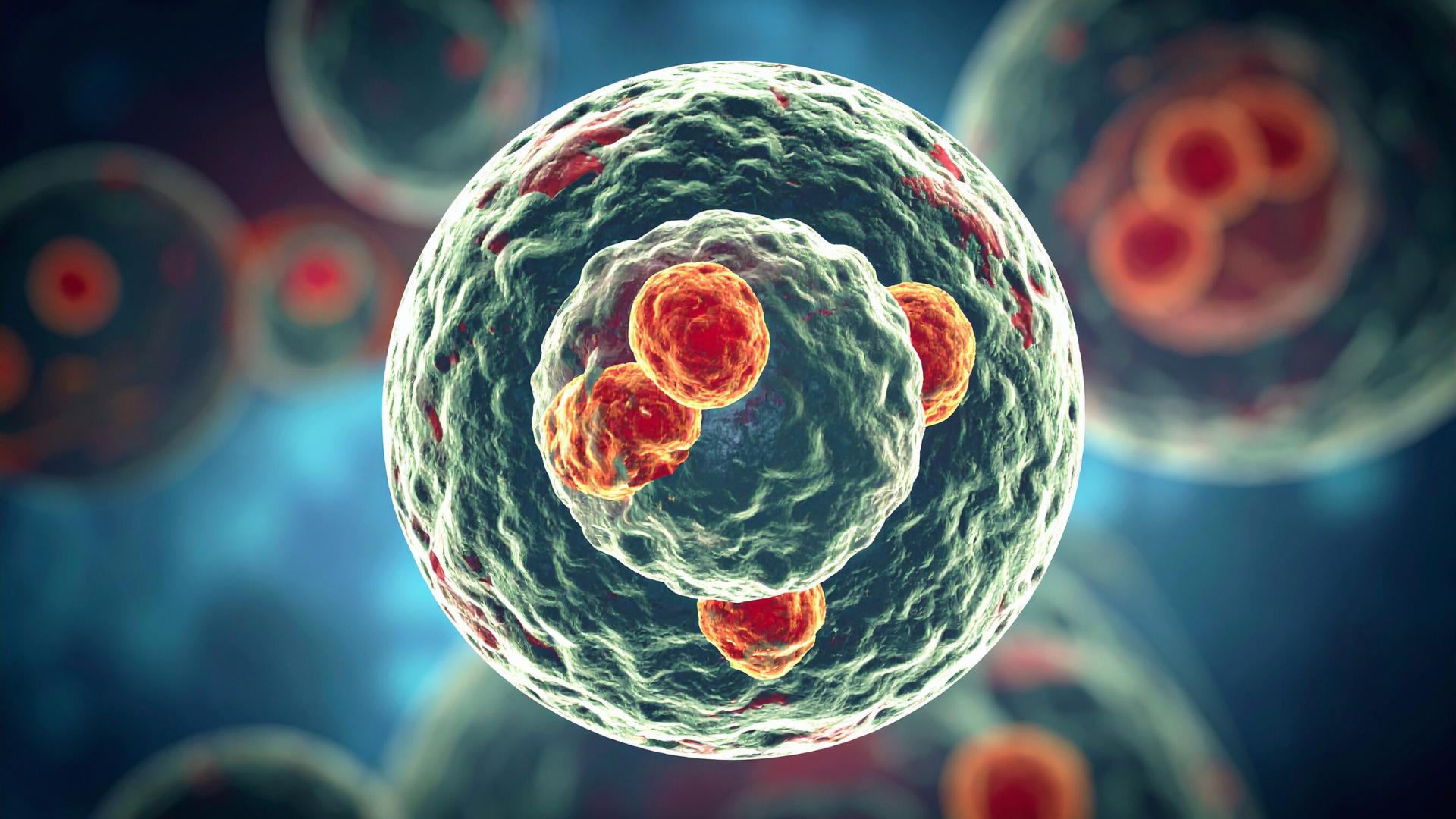
Cell biology, also known as cytology, focuses on cells as the fundamental components of all living organisms. It covers cell anatomy, molecular processes, and cell communication. Researchers examine organelles like the nucleus, mitochondria, and ribosomes to understand cellular functions.
This field includes areas such as cell metabolism, division (mitosis and meiosis), and signaling pathways. Understanding cell biology helps explain how tissues and organs form and operate.
Historical Background
The invention of the microscope in the 17th century marked the beginning of cell biology. Robert Hooke first described cells in 1665 by observing cork under a microscope. Later, scientists like Schleiden and Schwann formulated the cell theory, stating that all organisms are composed of cells.
Advances such as electron microscopy in the 20th century allowed detailed views of cellular structures. Discoveries of DNA and molecular biology further deepened the understanding of cell function and heredity.
Importance in Modern Science
Cell biology is crucial for developing medical treatments, including cancer therapies and regenerative medicine. It informs vaccine development, understanding pathogens, and genetic engineering.
Techniques like fluorescence microscopy and CRISPR gene editing rely on cell biology concepts. This discipline is foundational for research in immunology, neuroscience, and developmental biology, impacting the health and biotechnology industries.
Basic Structure of Cells
Cells vary in complexity and components, reflecting their diverse functions. Key differences exist in their organizational structure and protective boundaries.
Prokaryotic vs Eukaryotic Cells
Prokaryotic cells lack a true nucleus and membrane-bound organelles. Their DNA is located in a region called the nucleoid. Common examples include bacteria and archaea.
Eukaryotic cells have a defined nucleus enclosed by a nuclear membrane. They contain various organelles, such as mitochondria, endoplasmic reticulum, and Golgi apparatus. These features support specialized functions within the cell.
Size-wise, prokaryotic cells are generally smaller (1-10 micrometers) compared to eukaryotic cells (10-100 micrometers). The structural simplicity of prokaryotes contrasts with the complexity in eukaryotes, enabling greater cellular specialization.
Cell Membrane Function
The cell membrane controls the entry and exit of substances. It is a lipid bilayer embedded with proteins, providing selective permeability.
Membrane proteins serve various roles: transport channels, receptors for signaling, and structural support. This allows cells to maintain homeostasis and respond to their environment.
Additionally, the membrane’s fluid nature permits flexibility and movement. It also facilitates communication between cells through molecular signals and adhesion molecules.
Major Cell Components
Cells contain specialized regions that perform distinct functions critical to life. These include the control center, the fluid environment, and various structures that carry out tasks like energy production and waste management.
Nucleus and Genetic Material
The nucleus acts as the control hub of the cell. It houses DNA, the molecule that stores genetic information essential for cellular function and reproduction. This DNA is organized into chromosomes.
Within the nucleus, the nucleolus is responsible for producing ribosomal RNA (rRNA), which helps assemble ribosomes. The nuclear envelope, a double membrane, separates the nucleus from the cytoplasm and regulates the exchange of materials through nuclear pores.
The genetic material directs cell activities by controlling protein synthesis. This enables cells to grow, divide, and respond to their environment according to the instructions encoded in the DNA.
Cytoplasm and Cytosol
The cytoplasm is the entire content within the cell membrane, excluding the nucleus. It includes the cytosol, a gel-like fluid that fills the cell and suspends organelles.
Cytosol is mainly water but contains dissolved ions, nutrients, and enzymes essential for biochemical reactions. It facilitates the movement of molecules and aids in metabolism.
This environment supports organelles, allowing them to interact and function efficiently. The cytoplasm also plays a role in maintaining cell shape and internal pressure.
Organelles Overview
Organelles are specialized structures within the cytoplasm performing specific functions. Key organelles include:
- Mitochondria: Generate energy through cellular respiration by converting glucose into ATP.
- Endoplasmic Reticulum (ER): Rough ER synthesizes proteins; smooth ER produces lipids and detoxifies chemicals.
- Golgi Apparatus: Modifies, sorts, and packages proteins and lipids for transport.
- Lysosomes: Contain enzymes that break down waste and cellular debris.
- Ribosomes: Sites of protein synthesis, either free in the cytosol or attached to the rough ER.
Together, organelles cooperate to maintain cell health and function.
Key Organelles and Their Functions
Cell organelles carry out specific tasks essential for maintaining life. Each organelle has a unique structure that supports its role in energy production, protein processing, or waste management.
Mitochondria
Mitochondria are the primary sites of cellular respiration, converting glucose and oxygen into ATP, the cell’s energy currency. Their double membrane structure includes an inner membrane folded into cristae, increasing the surface area for energy generation.
They contain their own DNA, allowing some degree of autonomous function and protein production. Mitochondria also play roles in regulating calcium levels and programmed cell death (apoptosis).
Endoplasmic Reticulum
The endoplasmic reticulum (ER) has two types: rough and smooth. The rough ER is studded with ribosomes, making it the cell’s site for synthesizing membrane-bound and secretory proteins.
The smooth ER lacks ribosomes and is involved in lipid synthesis, detoxification of chemicals, and calcium ion storage. Both types work together to ensure proteins and lipids are correctly made and transported within the cell.
Golgi Apparatus
The Golgi apparatus modifies, sorts, and packages proteins and lipids received from the ER. It acts as a cellular shipping center, preparing molecules for transport inside vesicles to their destinations.
Structurally, it consists of flattened membrane sacs called cisternae arranged in stacks. The Golgi also adds carbohydrate groups to proteins, a process called glycosylation, essential for protein function and targeting.
Lysosomes and Peroxisomes
Lysosomes are vesicles containing digestive enzymes that break down cellular waste, damaged organelles, and pathogens. They maintain cellular health by recycling biomolecules in a process called autophagy.
Peroxisomes contain enzymes that detoxify harmful substances, particularly by breaking down hydrogen peroxide into water and oxygen. They also metabolize fatty acids and play a role in lipid biosynthesis. Both organelles contribute to cellular cleanup and metabolism.
Cellular Processes Essential for Life
Cells maintain life through controlled functions that ensure growth, communication, and energy management. These processes involve precise mechanisms that replicate genetic material, produce proteins, convert energy, and transmit signals.
Cell Division and Replication
Cell division enables organisms to grow and repair themselves by producing new cells. This process begins with DNA replication, where the cell duplicates its genetic instructions. Enzymes like DNA polymerase play a key role by unwinding the DNA and assembling new strands.
There are two main types of cell division: mitosis and meiosis. Mitosis results in two identical daughter cells, essential for tissue growth and maintenance. Meiosis, on the other hand, reduces chromosome numbers by half to produce gametes for reproduction.
The cell cycle is tightly regulated by checkpoints to prevent errors during division, which is crucial to avoid mutations and maintain genetic stability.
Protein Synthesis
Proteins are made through a two-step process: transcription and translation. In transcription, DNA’s code is copied into messenger RNA (mRNA) within the nucleus. This mRNA then travels to the cytoplasm.
During translation, ribosomes read the mRNA sequence to assemble amino acids into a protein chain. Transfer RNA (tRNA) matches specific codons on the mRNA with the correct amino acids.
This process is vital because proteins perform structural, enzymatic, and signaling roles within the cell. The accuracy of protein synthesis directly affects cell function and organism health.
Energy Conversion
Cells convert energy primarily through cellular respiration, a multi-step process that breaks down glucose to produce ATP (adenosine triphosphate), the cell’s energy currency.
The process occurs in mitochondria and includes glycolysis, the Krebs cycle, and the electron transport chain. These stages transfer energy from glucose to ATP efficiently.
Plants also utilize photosynthesis, converting sunlight into chemical energy stored in glucose. This process happens in chloroplasts and sustains life by supplying energy-rich molecules to organisms.
Cell Signaling
Cell signaling allows cells to respond to their environment and communicate with each other. Signals often come in the form of chemicals like hormones or neurotransmitters.
Receptors on the cell surface detect these signals, triggering a cascade of intracellular events. This cascade can alter gene expression, metabolism, or cell behavior.
Types of signaling include autocrine, paracrine, and endocrine, classified by the signal’s target. Effective signaling is crucial for processes like immune response, development, and tissue repair.
Cell Communication and Signaling Pathways
Cells communicate through complex systems to coordinate functions and respond to environmental changes. These signaling processes involve specific molecules and sequences that control cellular behavior precisely and efficiently.
Overview of Cell Signaling
Cell signaling involves the transmission of chemical or physical signals from a cell’s exterior to its interior. Signals typically originate from molecules like hormones, neurotransmitters, or environmental stimuli. Cells detect these signals using receptor proteins on their membranes or inside the cytoplasm.
Once detected, signals trigger a cascade of events that change cell activities such as gene expression, metabolism, or movement. This process ensures cells adapt properly to their surroundings and maintain homeostasis. Signaling pathways are highly regulated and often involve feedback mechanisms.
Types of Cell Communication
There are three main types of cell communication: autocrine, paracrine, and endocrine signaling.
- Autocrine: Cells release signals that bind to receptors on their own surface, affecting the secreting cell.
- Paracrine: Signals act on nearby cells by diffusing through the extracellular space.
- Endocrine: Hormones travel through the bloodstream to distant target cells.
Additionally, cells can communicate via direct contact using gap junctions or cell surface molecules, allowing immediate transfer of ions or small molecules.
Signal Transduction Mechanisms
Signal transduction converts an external signal into a cellular response through a series of molecular events. The process starts when a ligand binds to a receptor, activating it. Common receptor types include G protein-coupled receptors (GPCRs), receptor tyrosine kinases (RTKs), and ion channel-linked receptors.
Activated receptors trigger intracellular cascades involving secondary messengers such as cyclic AMP (cAMP) or calcium ions. These messengers amplify the signal and activate specific proteins, often enzymes or transcription factors. The final outcome can be altered gene expression, enzyme activity, or changes in cell shape or motility.
Methods Used in Cell Biology
Cell biology relies on several precise methods to study cells’ structure, function, and genetic makeup. These methods include advanced imaging, controlled growth environments, and targeted molecular techniques.
Microscopy Techniques
Microscopy is essential to visualize cell structures in detail. Light microscopy allows observation of live cells, revealing overall shape and movement. Fluorescence microscopy uses fluorescent dyes or proteins to highlight specific molecules inside cells.
Electron microscopy offers much higher resolution than light microscopy, enabling visualization of organelles and molecular complexes. Transmission electron microscopy (TEM) shows internal structures, while scanning electron microscopy (SEM) provides detailed 3D surface images.
Confocal microscopy improves image clarity by using laser light and optical sectioning, producing sharp, focused images in thick samples.
Cell Culture Methods
Cell culture involves growing cells under controlled laboratory conditions. This technique helps study cell behavior, drug responses, and genetic modifications in a stable environment.
Cells are typically cultured in nutrient-rich media, adjusted for pH and temperature matching physiological conditions (usually 37°C). Sterility is critical to prevent contamination.
Primary cultures use cells directly from tissues, preserving natural characteristics. Immortalized cell lines grow indefinitely and are convenient for repeated experiments.
Adherent cells require attachment surfaces, while suspension cells grow freely in liquid media.
Molecular Biology Tools
Molecular biology tools enable the manipulation and analysis of cellular molecules. Polymerase Chain Reaction (PCR) amplifies specific DNA sequences, facilitating genetic studies.
Gene editing techniques, like CRISPR-Cas9, allow precise DNA modifications to study gene function. RNA interference (RNAi) can downregulate specific genes to observe effects.
Western blotting detects specific proteins, providing information on expression and modifications. These tools provide detailed insights into the molecular mechanisms of cells.
Applications of Cell Biology
Cell biology underpins many practical fields by revealing how cells function, interact, and respond to their environments. These insights enable advances in health, industry, and ecosystem management.
Medicine and Disease Research
Cell biology is crucial for understanding disease mechanisms at the cellular level. It helps identify how pathogens like viruses invade cells and disrupt normal functions. This knowledge guides the development of targeted drugs and vaccines.
Studies of cancer cells reveal abnormalities in growth and division, leading to improved diagnostics and treatments. Techniques like cell culture and microscopy enable researchers to observe cellular responses to therapies in real time.
Stem cell research, driven by cell biology, offers promising avenues for regenerative medicine. It aims to repair damaged tissues and treat disorders such as Parkinson’s disease and diabetes by harnessing the ability of stem cells to differentiate.
Biotechnology Innovations
Biotechnology relies on cell biology to engineer cells for manufacturing drugs, enzymes, and biofuels. Modified bacteria and yeast produce insulin and other therapeutic proteins efficiently.
Techniques such as CRISPR gene editing are rooted in cellular mechanisms. They allow precise changes to DNA in living cells, accelerating genetic research and the creation of modified organisms with desired traits.
Understanding cell signaling and metabolism informs the design of biosensors and diagnostic tools. These innovations improve the detection of diseases and environmental pollutants, supporting rapid and accurate testing.
Environmental and Agricultural Uses
Cell biology informs strategies to enhance crop yields and pest resistance. By studying plant cells, scientists develop genetically modified plants that tolerate drought or resist diseases.
Microbial cells play key roles in bioremediation, breaking down pollutants in soil and water. Harnessing these natural processes helps clean contaminated environments with minimal chemical use.
Additionally, insights into cell interactions in ecosystems support conservation efforts. Understanding how cells respond to pollutants and climate stress aids in preserving biodiversity and ecosystem health.
Future Directions in Cell Biology
Cell biology is rapidly evolving with new technologies enhancing our understanding of cellular processes. Advanced imaging techniques, such as super-resolution microscopy, allow scientists to observe cellular structures in unprecedented detail. This will improve the mapping of cell components and their interactions.
Gene editing tools like CRISPR-Cas9 continue to revolutionize cell biology. They enable precise modifications of DNA, advancing research into genetic diseases and potential treatments. These techniques will likely integrate with cell biology to uncover more about cell function and regulation.
Another growing area is single-cell analysis. Instead of studying populations of cells, researchers now examine individual cells to reveal variations and heterogeneity. This provides deeper insight into developmental processes and disease progression.
| Future Trends | Description | Impact |
| Advanced Imaging | Super-resolution, live-cell imaging | Better visualization of cells |
| Gene Editing | CRISPR and beyond | Precise control over genes |
| Single-Cell Analysis | Study of individual cells | Understand cell diversity |
| Artificial Intelligence | Data analysis and modeling | Accelerate discovery |
Artificial intelligence (AI) is also shaping cell biology. It helps analyze complex datasets, predict cellular behaviors, and simulate interactions. Integrating AI with experimental work could streamline discoveries and diagnostics.
Overall, the convergence of technology, computation, and biology is driving the future of cell biology. The field is positioned to unlock new knowledge about life at the cellular level.
Leave a Reply