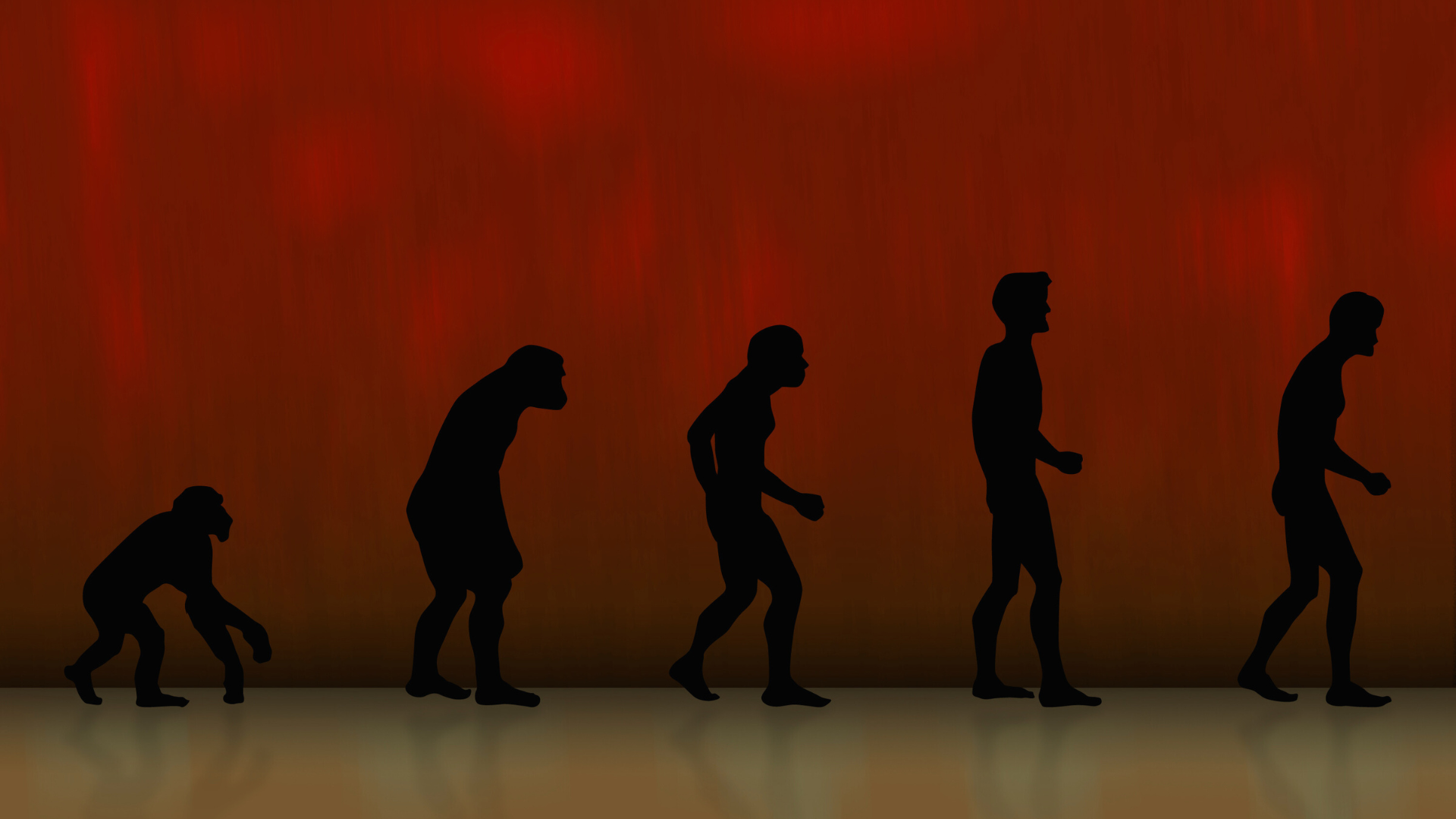
Biodiversity—the variety of life on Earth—stems from the process of evolution. Over long periods, species undergo changes through natural selection, genetic mutations, and environmental adaptation.
Evolution explains biodiversity by showing how species diversify and adapt to different niches, leading to the wide range of organisms seen today. This ongoing process creates new species while others may vanish, shaping the organic complexity around us.
Understanding evolution provides a scientific framework to explore why life forms are unique yet interconnected. It reveals the mechanisms behind the rich tapestry of ecosystems on our planet.
Foundations of Evolution and Biodiversity
Biodiversity and evolution are interconnected through genetic variation, adaptation, and speciation. Understanding key concepts such as what biodiversity entails, the mechanisms driving evolution, and the development of evolutionary theory clarifies how life on Earth diversifies.
Defining Biodiversity
Biodiversity refers to the variety of life within a particular habitat, ecosystem, or the entire planet. It includes three main levels: genetic diversity (variation within species), species diversity (number of species), and ecosystem diversity (range of different habitats).
This diversity supports ecosystem resilience, productivity, and stability. It also ensures a pool of genetic resources for adaptation to environmental changes. Quantifying biodiversity often involves species richness and evenness metrics, which measure species count and relative abundance, respectively.
Principles of Evolution
Evolution occurs through changes in allele frequencies within a population over generations. The primary mechanisms are natural selection, mutation, genetic drift, and gene flow.
Natural selection favors traits that increase survival or reproduction in a given environment. Mutations introduce new genetic variants, while genetic drift causes random allele frequency changes, especially in small populations. Gene flow moves genes between populations, increasing genetic variation.
Adaptation results from these processes, allowing species to respond to environmental pressures. Over long periods, this leads to the formation of new species and greater biodiversity.
Historical Perspectives on Evolutionary Theory
Early ideas about species change were speculative and lacked scientific support. In the 18th and 19th centuries, scientists like Lamarck suggested organisms could pass acquired traits to offspring, but without clear evidence.
Charles Darwin and Alfred Russel Wallace independently proposed natural selection as the mechanism for evolution in 1858. Darwin’s On the Origin of Species (1859) synthesized extensive biological observations and data supporting gradual evolution.
Modern synthesis in the 20th century integrated genetics with Darwinian theory, explaining how DNA mutations underpin evolutionary change. This framework remains the foundation for studying biodiversity today.
Mechanisms Driving Evolution
Evolution is driven by various biological processes that cause changes in the genetic makeup of populations over time. These processes influence how traits are passed on or altered, shaping the diversity of life.
Natural Selection
Natural selection occurs when individuals with traits better suited to their environment survive and reproduce more successfully than others. These advantageous traits increase in frequency within the population over generations.
For example, in a population of moths, those with coloration matching their environment are less likely to be eaten by predators. Over time, the population shifts toward moths that blend in, demonstrating natural selection’s role in adapting organisms to their surroundings.
Natural selection acts on heritable traits, meaning changes must be genetically based. It results in populations becoming better adapted to their specific environments, but it depends heavily on environmental pressures, which can change.
Genetic Drift
Genetic drift refers to random changes in allele frequencies within a population. Unlike natural selection, drift does not necessarily produce adaptations and is more influential in small populations.
Drift occurs due to chance events like natural disasters or random sampling during reproduction. These events can cause certain alleles to disappear while others become fixed, regardless of their impact on survival.
Two common examples are the bottleneck effect, where a population drastically reduces in size, and the founder effect, where a small group establishes a new population. Both lead to reduced genetic variation and can influence evolutionary paths unpredictably.
Gene Flow
Gene flow is the transfer of genetic material between separate populations through migration or interbreeding. It increases genetic diversity by introducing new alleles into a population.
When individuals move from one population to another and reproduce, they may bring alleles that were absent or rare previously. This process can prevent populations from diverging genetically and maintain species cohesion.
Gene flow can counteract the effects of genetic drift and natural selection, especially when populations are connected. It often varies with geographic barriers, behavioral differences, or physical isolation.
Mutation
Mutations are changes in DNA sequences and represent the original source of all genetic variation. They can be caused by errors in DNA replication, environmental factors, or chemical exposure.
Most mutations are neutral or harmful, but some provide beneficial traits that may enhance an organism’s survival or reproduction. These beneficial mutations can be acted upon by natural selection.
Mutations occur randomly and are relatively rare but accumulate over many generations. Without mutations, evolution would lack new material for natural selection and other mechanisms to act upon.
Speciation and the Emergence of New Species
Speciation occurs when populations of the same species diverge enough to become distinct species. This process often involves genetic isolation and adaptation to different environments or niches. Various mechanisms explain how these new species arise under different conditions.
Allopatric Speciation
Allopatric speciation happens when populations are geographically separated by barriers such as mountains, rivers, or distance. This physical separation prevents gene flow between groups. Over time, genetic differences accumulate due to mutation, natural selection, and genetic drift.
Isolated populations adapt to their unique environments, leading to reproductive barriers. These barriers can be behavioral, temporal, or physiological. When these groups can no longer interbreed successfully, they are considered separate species.
Sympatric Speciation
Sympatric speciation occurs without physical separation. Instead, new species emerge within the same geographic area. Reproductive isolation arises through mechanisms like polyploidy, behavioral changes, or ecological niche differentiation.
This form of speciation is common in plants, especially due to polyploidy, where chromosome duplication leads to instant reproductive isolation. In animals, changes in mating preferences or habitat choice can also drive sympatric speciation.
Adaptive Radiation
Adaptive radiation is rapid speciation from a single ancestor when new ecological niches become available. It often follows events like mass extinctions or the colonization of new environments. Species diversify quickly to exploit different resources or habitats.
A classic example is Darwin’s finches, where a single ancestral species evolved into multiple species with specialized beak shapes adapted to various food sources. This process highlights how environmental opportunities shape biodiversity.
Evolutionary Processes Shaping Biodiversity
Biodiversity results from multiple evolutionary mechanisms that modify species traits and interactions over time. These processes influence how organisms adapt to their environments and to each other, creating a dynamic web of life.
Convergent Evolution
Convergent evolution occurs when unrelated species develop similar traits independently. This happens because they face comparable environmental pressures or ecological roles. For example, the wings of bats and birds serve the same function but evolved separately.
Such adaptations often improve survival in similar habitats, like streamlined bodies in dolphins and sharks for efficient swimming. Convergent features highlight how natural selection can shape species in parallel ways, despite different evolutionary paths.
Divergent Evolution
Divergent evolution happens when closely related species accumulate differences, leading to new species. It typically starts when populations become isolated geographically or ecologically. Over time, genetic changes cause distinct traits to emerge.
An example is Darwin’s finches on the Galápagos Islands, which evolved different beak shapes suited to varying food sources. Divergence increases biodiversity by expanding species variety and ecological niches.
Co-evolution
Co-evolution describes the reciprocal evolutionary influence between interacting species. It often involves predators and prey, parasites and hosts, or mutualistic partners adapting to each other’s changes.
A classic case is the relationship between flowering plants and their pollinators, where flower shapes and pollinator habits evolve together. Co-evolution promotes complex interdependencies that drive the evolution of specialized traits in multiple species simultaneously.
| Process | Main Feature | Example |
| Convergent | Independent similar traits | Wings of bats and birds |
| Divergent | Differentiation of related species | Darwin’s finch beaks |
| Co-evolution | Reciprocal adaptations | Flowers and pollinators |
Molecular Evidence Supporting Evolution
Molecular data reveal patterns of similarity and difference in the genetic material of organisms. These patterns illustrate relationships shaped by common ancestry and genetic divergence over time.
Comparative Genomics
Comparative genomics involves analyzing the genomes of different species to identify conserved and variable regions. Species that share a recent ancestor have more similar DNA sequences, reflecting their evolutionary closeness.
For example, humans and chimpanzees share about 98-99% of their DNA, indicating a close evolutionary relationship. In contrast, humans and fruit flies share roughly 60%, showing a more distant common ancestor.
This method also detects genes that have evolved under natural selection, highlighting adaptations. Shared genetic sequences called homologous genes confirm descent from common ancestors, while unique genetic changes reveal species-specific evolution.
DNA Sequencing and Phylogenetics
DNA sequencing determines the exact order of nucleotides in genetic material. This data is used to build phylogenetic trees, which represent evolutionary relationships visually.
Phylogenetic trees compare genetic differences to estimate divergence times between species. Closely related species have fewer genetic differences and branch closer together.
Molecular clocks use consistent mutation rates to date evolutionary events. This allows estimation of when species diverged, such as when the human lineage split from other primates.
Together, sequencing and phylogenetics provide a robust framework for understanding how genetic variation drives biodiversity.
Fossil Record and Transitional Forms
The fossil record offers concrete data on life’s history and reveals patterns of change through time. Some fossils show traits that link ancient species with modern ones, highlighting key steps in evolutionary transitions.
Paleontological Evidence
Fossils found in sedimentary rocks provide chronological evidence for the emergence, persistence, and extinction of species. Layers of rock correspond to distinct geological periods, allowing scientists to place fossils in a timeline.
Key points:
- Fossils document biological diversity changes over millions of years.
- Radiometric dating assigns age to layers, confirming the timeline.
- Patterns such as gradual morphological changes appear in fossil lineages.
- Mass extinction events are visible through abrupt changes in fossil diversity.
This evidence supports the process of evolution by showing a sequential appearance of organisms rather than all forms appearing simultaneously.
Transitional Fossils
Transitional fossils display characteristics intermediate between ancestral and derived species. These fossils clarify how major groups evolved traits step-by-step.
Examples include:
| Species | Transitional Traits |
| Archaeopteryx | Features of both birds and reptiles |
| Tiktaalik | Combines fish fins with limb-like bones, enabling land movement |
| Australopithecus | Displays traits between apes and modern humans |
Such fossils demonstrate the gradual accumulation of changes leading to new species. Transitional forms bridge gaps in the fossil record and illustrate the continuum of evolutionary change.
Human Impact on Evolutionary Processes
Human activities alter ecosystems and environmental conditions, directly influencing how species adapt and evolve. These changes affect natural selection pressures, gene flow, and population structures in measurable ways.
Effects of Habitat Destruction
Habitat destruction reduces the size and connectivity of populations, increasing the risk of inbreeding and genetic drift. Fragmented habitats create isolated populations, which may evolve independently or face extinction due to limited genetic diversity.
Urbanization, deforestation, and agriculture eliminate or degrade natural environments. Species that cannot adapt enough experience population declines or extinction. Others may evolve rapidly, developing traits that help them survive in altered environments.
Species-specific effects vary: some generalist species thrive, while specialists decline. Loss of keystone species can disrupt evolutionary dynamics in entire ecosystems.
Climate Change and Evolution
Rising global temperatures shift species’ geographic ranges, forcing evolutionary responses in timing, physiology, and behavior. Many species now breed earlier or migrate differently as they adapt.
Climate change alters selective pressures by changing resource availability and introducing new competitors or predators. Some populations develop tolerance to heat or drought, but others fail to adapt quickly.
Rapid climate shifts challenge long-term evolutionary stability. Species with short generation times may evolve faster, but those with longer lifespans face increased extinction risks.
Artificial Selection
Artificial selection drives evolution by intentionally breeding species for desired traits. This process alters genetic frequencies much faster than natural selection.
Humans have shaped crops, livestock, and pets over thousands of years, emphasizing traits like size, yield, and temperament. These changes often reduce genetic diversity and increase vulnerability to disease.
Unlike in wild evolution, artificial selection focuses on human needs, sometimes creating trade-offs such as lower fitness or reduced adaptability in natural environments.
Global Patterns of Biodiversity
Biodiversity is unevenly spread across the planet, with specific regions hosting a disproportionate number of species. These patterns arise from factors like climate, geological history, and isolation.
Biodiversity Hotspots
Biodiversity hotspots are regions with exceptionally high species richness and a large number of endemic species. To qualify as a hotspot, an area must contain at least 1,500 endemic vascular plants and have lost 70% or more of its original vegetation.
There are currently 36 recognized hotspots globally, including the Amazon rainforest, Madagascar, and the Himalayas. These areas are critical for conservation because they represent 15% of Earth’s land surface but support over 50% of the world’s plant species as endemics.
Hotspots often occur in tropical regions with stable climates, allowing species to evolve over millions of years. Human activities such as deforestation and urban development threaten these fragile ecosystems.
Endemism and Biogeography
Endemism refers to species found only in a specific geographic location. Islands like the Galápagos and isolated mountain ranges show high endemism due to limited gene flow and unique environmental pressures.
Biogeography studies how species distribution relates to geographical factors. Evolution is influenced by continental drift, climate changes, and barriers such as oceans or mountains. These processes create isolated populations that evolve independently.
The table below summarizes key points:
| Factor | Impact on Biodiversity |
| Geographic isolation | Increases endemism and speciation |
| Climate stability | Supports species diversification |
| Geological history | Shapes patterns of species movement/distribution |
Regions with high endemism are often priorities for research and protection due to their unique evolutionary history.
Future Perspectives in Evolution and Biodiversity
Advances in genetic research and ecosystem monitoring will shape how biodiversity is conserved and understood. Predictive models and innovative conservation techniques are emerging to address the challenges facing species and habitats.
Conservation Strategies
Modern conservation increasingly integrates evolutionary principles to maintain genetic diversity. Techniques like assisted gene flow and genetic rescue aim to enhance the resilience of endangered populations by introducing beneficial genes.
Protected areas are now prioritized based on evolutionary distinctiveness, focusing on preserving species with unique genetic traits. This helps maintain ecosystem function and adaptability over time.
Emerging technologies such as environmental DNA (eDNA) allow for real-time biodiversity assessment, improving the identification of vulnerable species and guiding rapid conservation responses.
Predicted Trends in Biodiversity
Climate change is expected to cause shifts in species distributions, favoring generalists and reducing specialists. This will likely reduce overall biodiversity and simplify ecosystems.
Species with faster reproductive rates and higher genetic variability will adapt more successfully, leading to altered community compositions. In contrast, slow-evolving species may face higher extinction risks.
Models predict that human activity will intensify these impacts, accelerating habitat loss and fragmentation. Mitigating these effects depends heavily on integrating evolutionary knowledge into land-use planning and conservation efforts.
Leave a Reply